Firearms vs Guns: Key Differences Explained
When a customer asks for a “gun” but actually needs a Remington 700 bolt-action rifle, that’s when terminology matters. The distinction between “firearms” and “guns” isn’t just semantics—it affects everything from legal paperwork to proper maintenance.
Legal Definitions Matter
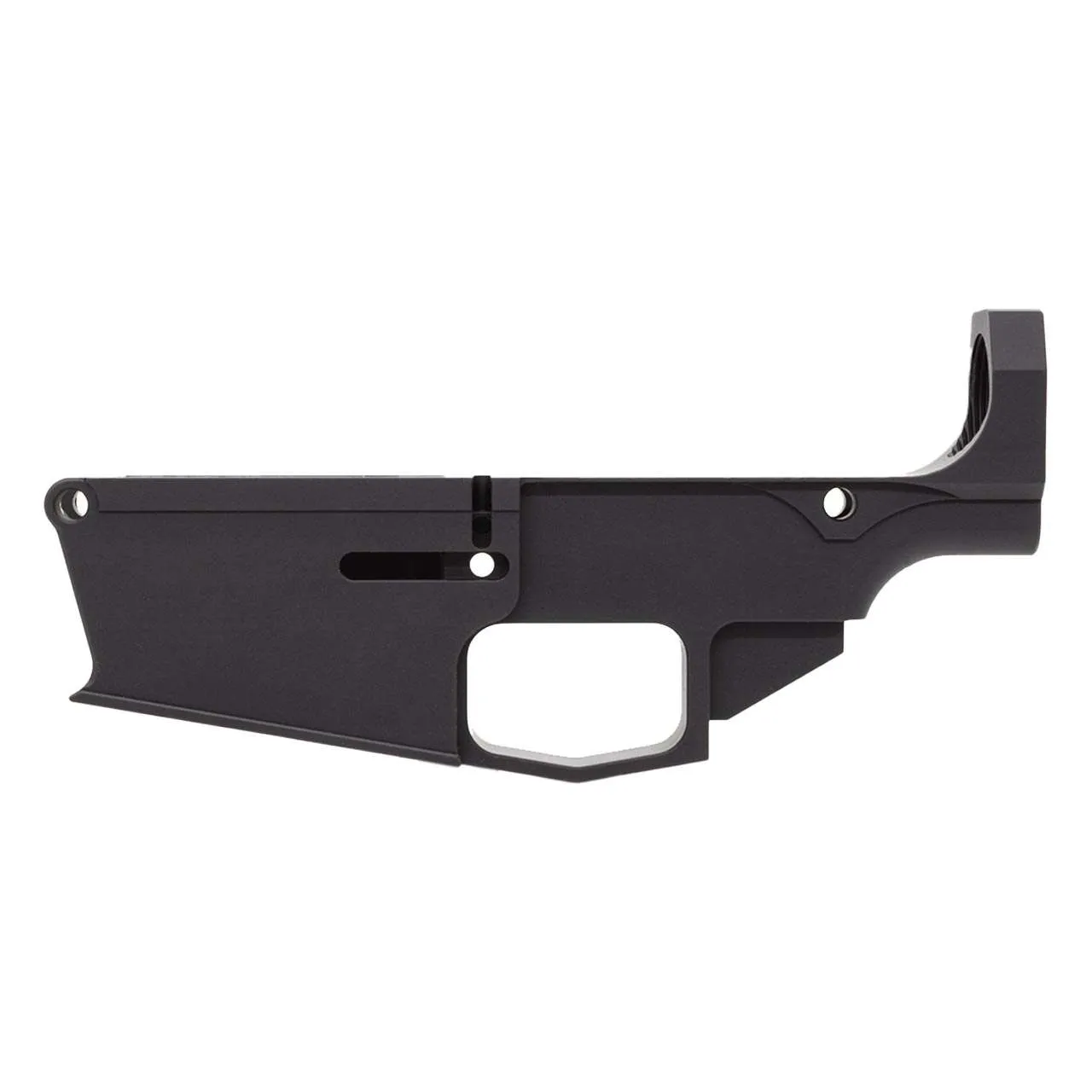
The ATF defines firearms as any weapon designed to expel a projectile by explosive action, including rifles, shotguns, and handguns. “Gun” is a colloquial term that sometimes excludes certain firearms like AR-15 lowers (legally the firearm component) or antique black powder weapons. For example, when filling out a 4473 form, you’re transferring a firearm, not a “gun.” Bestfrttriggers’ FFL specialists process dozens of these daily, and precise language prevents delays.
Technical Specifications Breakdown
Firearms have measurable specs: barrel length (16″ minimum for rifles), overall length (26″ for non-NFA items), and action type (bolt, semi-auto, etc.). A “gun” could refer to anything from a Glock 19 (technically a pistol firearm) to a flare gun (not legally a firearm). The Geissele Super Dynamic trigger we sell fits AR-15 firearms, not all “guns” generically.
Industry vs. Public Terminology
Manufacturers like Daniel Defense or SIG Sauer use “firearm” in product manuals and patent filings. At ranges, you’ll hear “guns” more often—until someone tries to mount a Vortex optic on a revolver. That’s when specificity matters. Our gunsmiths at Bestfrttriggers correct these misunderstandings weekly during custom builds.
Maintenance Implications
Cleaning procedures differ drastically between firearm types. A Beretta 92FS pistol requires different solvents than a Benelli M4 shotgun, though both are “guns.” Using the wrong tools—like attempting to clean a precision rifle barrel with a pistol rod—can cause irreversible damage. We stock caliber-specific cleaning kits for this reason.
Is a muzzleloader considered a firearm?
Under federal law, antique muzzleloaders made before 1898 aren’t firearms. Modern reproductions like the CVA Wolf require an FFL transfer in most states. Always check local regulations.
Why do some gun stores avoid the word “gun”?
Many retailers use “firearms” in signage and advertising to appear more professional and avoid triggering (no pun intended) unnecessary scrutiny from payment processors or landlords.
Can I modify any gun into an NFA firearm?
No. Converting a standard rifle into an SBR (short-barreled rifle) requires ATF approval and a $200 tax stamp. Unauthorized modifications carry felony charges. We recommend consulting our NFA specialists before attempting such builds.
Browse our firearms collection
Last updated: April 28, 2026